
Wood Fence Installation in Monmouth County, NJ
Pressure-treated pine, cedar picket, board-on-board, and shadow box designs — installed with no deposit required — call for a free estimate.
Why Do So Many Monmouth County Homeowners Struggle with Cheap Pressure-Treated Pine Fences That Warp and Rot?
Low-grade lumber and shallow post settings are the root cause. Homeowners across Monmouth County spend thousands on wood fences only to watch pickets twist, posts lean, and boards rot within a few years. The problem starts with contractors who source bargain-bin pressure-treated pine that hasn't been kiln-dried after treatment, and it gets worse when they set 4x4 posts too shallow to handle New Jersey's freeze-thaw cycles.
Coastal humidity makes everything worse. Monmouth County sits along the Jersey Shore, where salt air and moisture accelerate wood deterioration. A fence built with subpar materials in Colts Neck or Wall Township faces relentless moisture exposure that untreated or poorly treated lumber simply cannot withstand. Within two to three seasons, boards cup and split, nails pop, and the fence begins to sag between posts.
The solution is better materials paired with proven construction techniques. We source kiln-dried, pressure-treated pine and Western red cedar through our Eastern Wood dealership — the same supplier we've relied on since 2010. Every fence we install uses properly spaced posts set in concrete footings at code-compliant depth, with corrosion-resistant fasteners rated for treated lumber. The result is a wood fence that stands straight and looks sharp for 15 to 20 years.
You should not have to rebuild a fence every five years. If you're tired of patching and propping up a deteriorating wood fence, call us at (732) 400-5426 for a free estimate on a replacement that holds up to Monmouth County's climate.
What Makes Board-on-Board Construction the Most Popular Wood Fence in Monmouth County?
Board-on-board construction eliminates the gap problem permanently. Each picket overlaps the one beside it by roughly one inch, creating a solid visual barrier that stays private even as the wood dries and contracts. Standard privacy fences butt pickets edge to edge, which looks fine on installation day but develops visible gaps within the first year of seasonal wood movement. Board-on-board solves this at a modest cost increase.
Both sides of a board-on-board fence look finished. Because the overlapping pickets create a uniform pattern from either direction, your neighbors see an attractive fence face rather than exposed rails and post backs. In Monmouth County subdivisions with HOA guidelines, this dual-finished appearance often satisfies "good neighbor" requirements without needing a separate fence style.
Pressure-Treated Pine Options
Pressure-treated pine is the most affordable wood fence material. We use #1 grade kiln-dried after treatment (KDAT) lumber that resists warping and accepts stain evenly. Available in 4-foot, 5-foot, and 6-foot heights with dog-ear, flat-top, or French Gothic picket profiles.
Staining extends the life of pressure-treated pine significantly. We recommend a semi-transparent wood fence stain applied 60 to 90 days after installation. Staining blocks UV damage and adds a rich tone — from natural cedar hues to dark walnut — that transforms budget-friendly pine into something that rivals premium wood species.
Cedar Picket Options
Western red cedar is naturally rot-resistant without chemical treatment. Cedar contains oils that repel insects and inhibit fungal growth, making it an excellent choice for homeowners who prefer a chemical-free fence material. Cedar picket fences weather to a distinguished silver-gray over time, or they can be sealed to preserve the original warm reddish tone.
Cedar costs more upfront but requires less maintenance long-term. You won't need to stain cedar for preservation — only for color preference. Over a 20-year lifespan, the reduced maintenance schedule narrows the cost gap between cedar and pressure-treated pine considerably.
Shadow Box Design — Privacy with Airflow
Shadow box fences alternate pickets on opposite sides of the rail. This creates a fence that provides visual screening from direct angles while allowing air to pass through the offset gaps. Shadow box design reduces wind load on the fence by up to 50 percent compared to a solid privacy panel, which matters in exposed areas of Monmouth County where nor'easters and coastal storms generate high winds.
The alternating pattern creates a unique three-dimensional look. Light passes through at extreme angles, giving the shadow box fence a layered aesthetic that solid and picket fences cannot replicate. Shadow box construction works beautifully in both pressure-treated pine and cedar, and pairs well with decorative post cap finials for an upscale appearance.
Lattice Top Panels and Post Cap Finials
Adding a lattice top panel transforms a utilitarian fence into a decorative feature. Lattice tops typically add 6 to 12 inches of height above the solid portion of the fence, creating a visual transition that softens the fence line. The lattice allows sunlight and air through while adding architectural interest. We secure lattice panels with a dedicated cap rail that locks them in place against wind uplift.
Post cap finials are a small detail with big visual impact. Available in ball, acorn, gothic, and flat-top profiles, post cap finials protect the exposed end grain of each 4x4 post from rain penetration while adding a finished look. Copper, stainless steel, and wood options are available. Browse wood fence designs in our catalog to see lattice and post cap combinations.
4x4 Post Setting and Structural Integrity
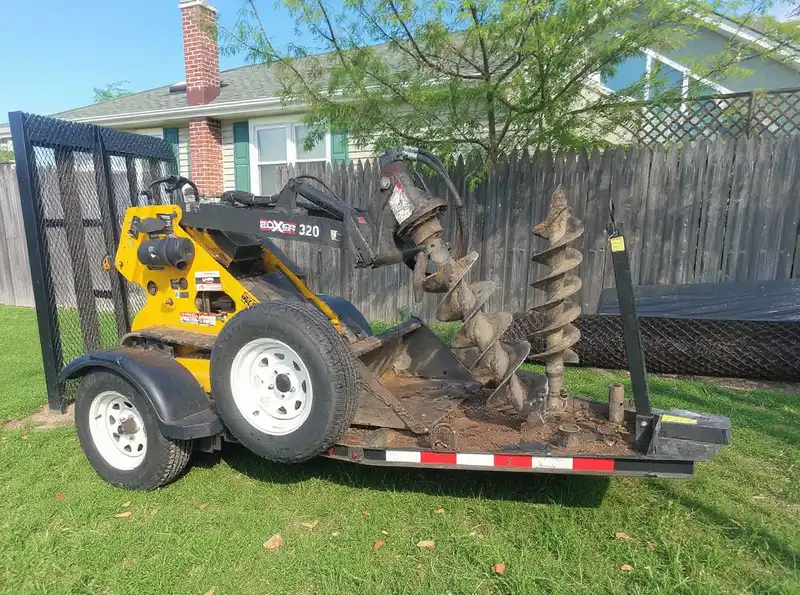
Every wood fence we install starts with proper 4x4 post setting. Posts are set a minimum of 30 inches deep in concrete footings — 36 inches for 6-foot privacy fences. We use high-strength concrete mix and plumb each post with a level before the concrete sets. Posts are spaced 8 feet on center for standard panels, or 6 feet on center for heavy board-on-board construction where wind resistance is a priority.
Proper post depth prevents the leaning and heaving that plagues poorly installed fences. Monmouth County's clay-heavy soil expands and contracts with moisture levels, pushing shallow posts out of alignment. Our 30-to-36-inch post depth anchors the fence below the frost line, keeping it plumb through freeze-thaw cycles and seasonal soil movement.
How Does Our Wood Fence Installation Process Work from Start to Finish?
Three straightforward steps bring your wood fence from estimate to installation. We handle permits, materials, and labor so you focus on choosing the style you want — not managing a construction project.
Free On-Site Estimate
We measure your property and review your goals in person. You'll see material samples, discuss styles — board-on-board, shadow box, cedar picket, lattice top — and receive a written all-inclusive quote. Call for a free estimate with no hidden fees and no deposit required.
Permits and Scheduling
We pull any required Monmouth County permits and schedule your installation date. You'll know exactly when we're coming and what the project timeline looks like. Most residential wood fence installations complete in one to two days depending on linear footage and terrain.
Professional Installation
We arrive on schedule, install your fence, and clean up completely. All post holes are dug, 4x4 posts are set in concrete, rails are leveled, and pickets or panels are attached with corrosion-resistant fasteners. We haul away all debris and leave your yard clean.
What Are the Real Benefits of Choosing a Wood Fence Over Other Materials?
Wood fences deliver the best combination of affordability, design flexibility, and curb appeal. Here are six reasons Monmouth County homeowners consistently choose wood.
Lowest Upfront Cost
Pressure-treated pine is the most budget-friendly fence material available. Call for a free estimate all-inclusive, a wood fence delivers privacy and property definition at a price point other materials cannot match.
Total Design Flexibility
Wood can be cut, shaped, and configured to match any vision. Board-on-board, shadow box, lattice top, scalloped, and stepped configurations handle slopes, curves, and unique property lines that rigid panel systems struggle with.
Stainable and Paintable
Wood accepts any color you want — stain, paint, or natural weathering. Change the look of your fence in an afternoon with a new stain color. No other fence material gives you this level of color control after installation.
Easy Section Repair
Damaged boards can be replaced individually without removing entire panels. If a storm or fallen branch damages a section, we replace just the affected pickets or rails rather than swapping out a full manufactured panel.
Natural Aesthetic
Real wood grain and texture add warmth that synthetic materials imitate but never match. A freshly stained cedar fence or naturally weathered pine fence creates an organic backdrop that complements landscaping and architecture.
Proven Longevity
Properly installed pressure-treated pine lasts 15 to 20 years; cedar lasts 20 to 25. With periodic wood fence staining and minor maintenance, a quality wood fence outlasts its warranty and delivers decades of reliable service. We back every installation with a 1-year installation warranty.
Ready to Get a Price on Your Wood Fence Project?
Free estimates for every Monmouth County homeowner. No deposit required. Call for a free estimate all-inclusive — labor, materials, and cleanup.
Common Questions About Wood Fence Installation in Monmouth County
-
A properly installed pressure-treated pine fence lasts 15 to 20 years in Monmouth County. The salt air and humidity along the Jersey Shore accelerate wear on untreated lumber, but pressure-treated pine is infused with preservatives that resist rot, fungal decay, and insect damage. Applying a quality wood fence stain every 3 to 5 years extends the lifespan further and keeps the wood looking fresh.
-
Board-on-board construction overlaps each picket with the one beside it, eliminating the gaps that appear when wood shrinks. A standard privacy fence butts pickets edge to edge, which means gaps develop within the first year as the wood dries. Board-on-board costs slightly more per linear foot but delivers true year-round privacy without visible gaps.
-
We install both cedar picket fences and pressure-treated pine fences. Cedar is naturally resistant to rot and insects without chemical treatment, and it weathers to an attractive silver-gray tone. Pressure-treated pine is more budget-friendly and accepts stain well. We carry both materials through our Eastern Wood dealership and can walk you through samples at your free estimate.
-
We set 4x4 posts a minimum of 30 inches deep in concrete footings, which meets Monmouth County code requirements. For 6-foot privacy fences we typically go 36 inches deep. Each post is plumbed, braced, and given adequate cure time before panels or pickets are attached. Deeper settings provide better wind resistance and prevent leaning over time.
-
Yes, adding a lattice top panel to an existing wood fence is a popular upgrade. Lattice adds 6 to 12 inches of decorative height while allowing airflow and filtered light. We secure lattice panels with a dedicated cap rail so they resist wind uplift. Call us at (732) 400-5426 to schedule a free assessment of your existing fence.
-
Staining is not included in the base installation price but can be added to your project quote. We recommend letting new pressure-treated pine dry for 60 to 90 days before applying stain so the preservatives cure and the wood accepts the finish evenly. Cedar can be stained immediately after installation if desired.
Get Your Free Wood Fence Estimate Today
Monmouth County homeowners have trusted us since 2010. Licensed, insured, and rated 4.7 stars on Google. No deposit required — you pay when the fence is installed and you're satisfied. Considering privacy fence options? We'll walk you through every style at your appointment.